
Hyperpigmentation
Understanding Hyperpigmentation: Causes and Treatments
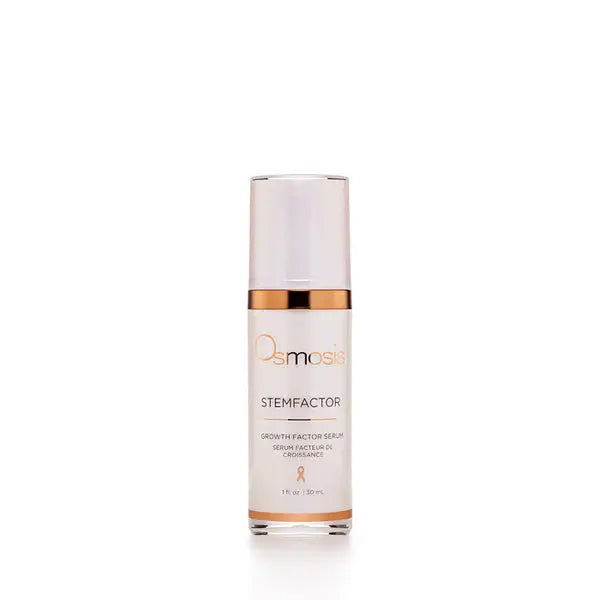
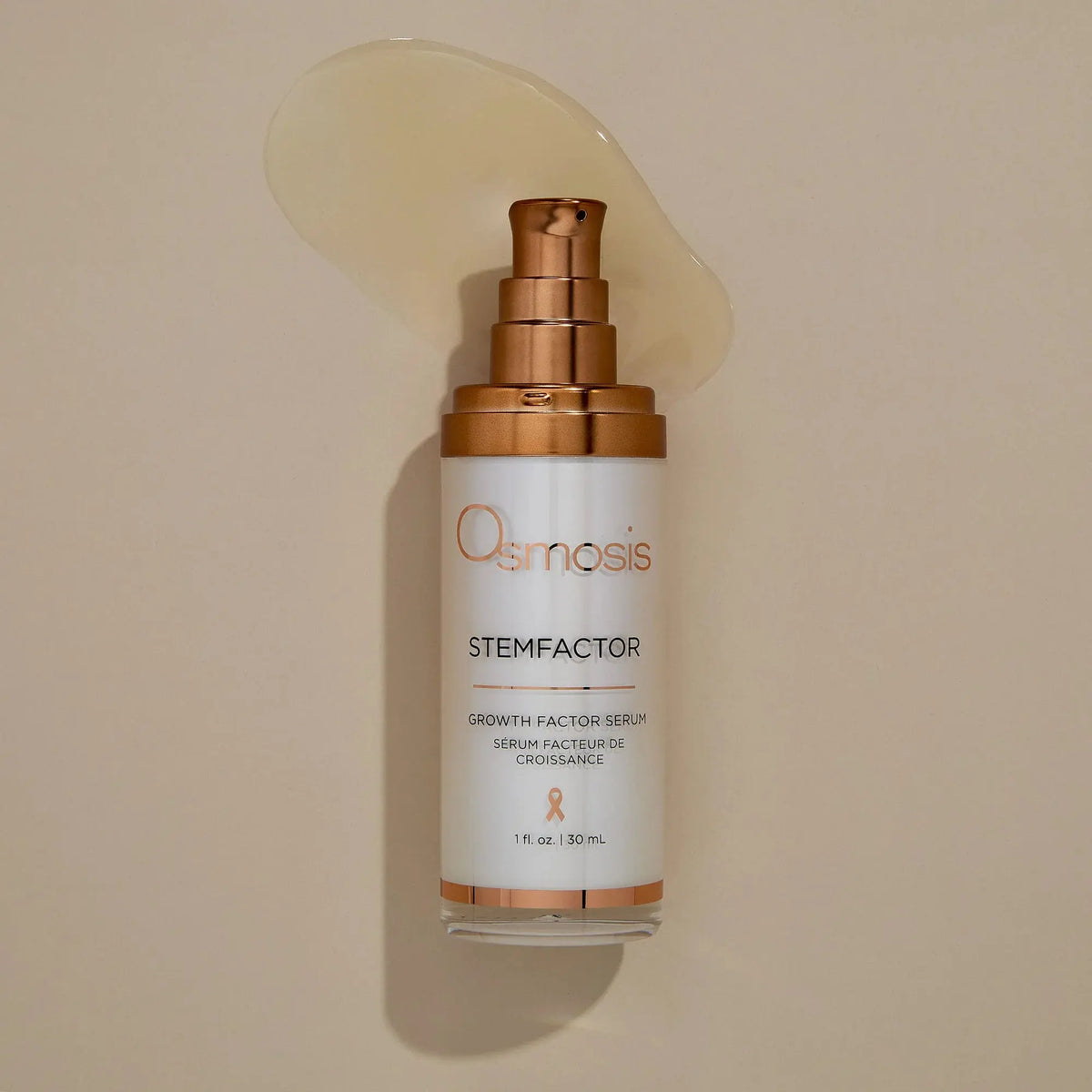
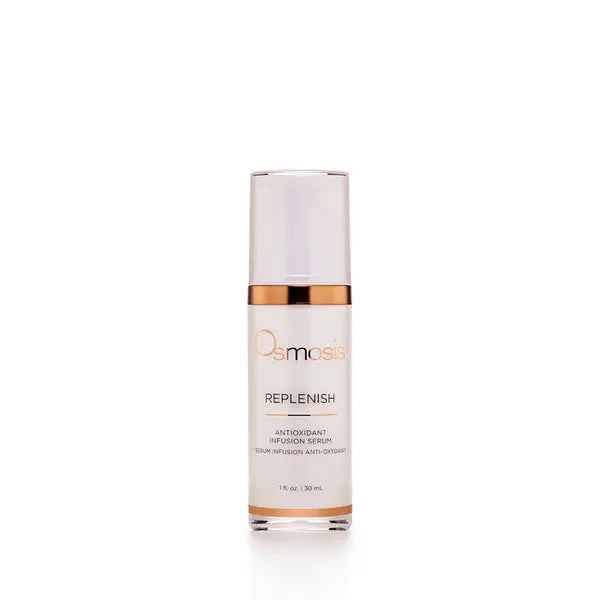
Target dark spots and restore a more even complexion with our Hyperpigmentation collection—a curated selection of clean, brightening skincare designed to visibly reduce discoloration and support radiant, balanced skin.
Hyperpigmentation can show up as sun spots, post-acne marks, or uneven skin tone, and requires a thoughtful approach that combines brightening ingredients, gentle exfoliation, and daily sun protection. This collection features non-toxic, plant-based formulas powered by ingredients like vitamin C, antioxidants, botanical extracts, and skin-renewing actives to help fade discoloration and improve overall clarity—without harsh irritation.
With consistent use, skin appears brighter, smoother, and more even-toned.
What is Hyperpigmentation?
Hyperpigmentation is a common skin condition characterized by darkened patches or spots caused by excess melanin production. It can affect people of all skin types and often appears on the face, hands, and other exposed areas. Various factors trigger hyperpigmentation, including sun exposure, hormonal changes, acne scars, or inflammation. This condition is generally harmless but can impact self-confidence and skin appearance. Understanding what hyperpigmentation entails helps in selecting the appropriate treatment and prevention methods to achieve a more uniform skin tone.
Common Causes of Hyperpigmentation
Several factors contribute to hyperpigmentation, with sun exposure being the most significant. UV rays stimulate melanin production as a natural protective response, leading to dark spots. Hormonal shifts, especially during pregnancy or from birth control pills, can cause melasma, a form of hyperpigmentation. Additionally, skin injuries from acne, cuts, or inflammations trigger post-inflammatory hyperpigmentation. Genetics and certain medications also play a role. Identifying these causes helps in managing and preventing further pigmentation changes effectively.
Effective Treatments and Prevention
Treating hyperpigmentation involves a combination of topical products, professional procedures, and sun protection. Ingredients like vitamin C, niacinamide, and hydroquinone can lighten dark spots by inhibiting melanin production. Procedures such as chemical peels, laser therapy, and microdermabrasion also reduce pigmentation. Crucial to any treatment plan is daily sun protection, using broad-spectrum sunscreens to prevent worsening. Consistency and patience are essential, as visible improvements often take weeks to months. Consulting a dermatologist ensures the safest and most effective approach for your skin type.